Why choose Sustainable Practice - Wimansa's story
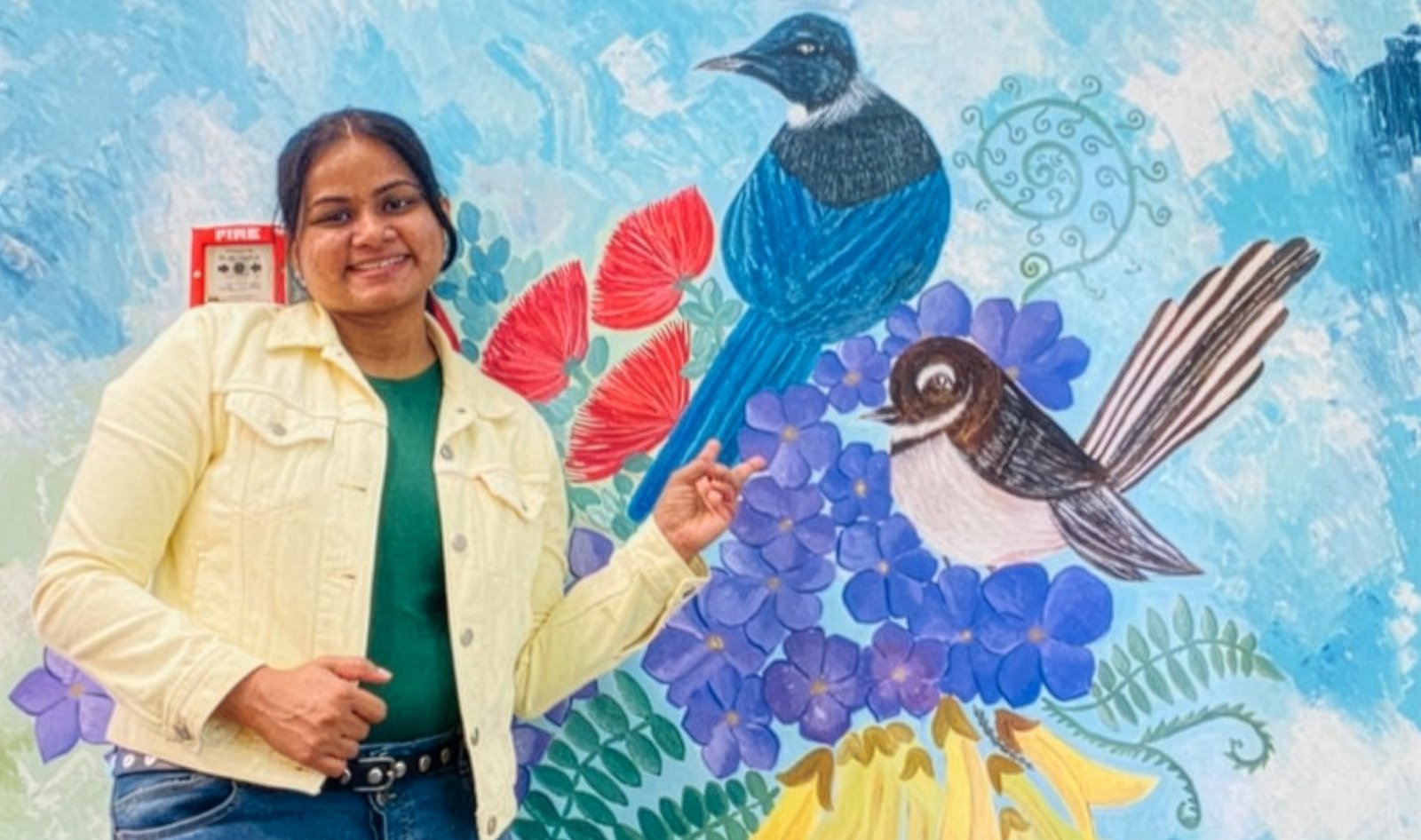
Wimansa Jayasekara
Where are you from and what’s your background?
I'm from Sri Lanka, and my background is civil engineering. Before coming to study at Ara I worked in the construction field for eight years. My first job was in housing and infrastructure development projects that supported low-income communities and aimed to reduce inequality. Through this work, I personally witnessed the hardships these communities faced and later led a wellbeing-focused renovation project at an Ayurvedic pharmaceutical factory.
What motivated you to study the Master of Sustainable Practice?
My motivation comes from both my professional experience and personal values. I became particularly interested in how design, construction and planning can improve people’s wellbeing while reducing environmental impact. In one of my previous workplaces, most of my work involved meeting tight targets and focusing on profits, which made me realise that I need to study sustainability as a holistic subject. The main reason I came to New Zealand to study sustainability was to learn how to apply practical strategies to real-world challenges, while also taking a break from work and upgrading my academic skills.
What’s been the most meaningful or interesting part of your study so far?
At the beginning, I focused on applying sustainability in my career, but as a student in my final semester, I’ve realised that the most meaningful part of my study has been what I’ve discovered about myself. I’ve personally transformed into a more sustainable person, influenced by my teachers and colleagues, and I’m always excited to learn more. This journey has helped me bridge the gap between sustainability theory and practice, made me more aware of the environment, culture and equality, and it’s brought a real sense of peace to my mind.
How has the programme changed the way you think about sustainability or your professional practice?
As a civil engineer, it’s changed the way I think about sustainability and my professional practice. I’ve learned that when starting any project, it’s important to think holistically and consider not just the technical aspects, but also environmental, social, economic and cultural impacts. My academic knowledge of sustainability concepts, theories, frameworks and practical applications has greatly improved, and now I can approach projects with a broader perspective, aiming to create outcomes that are responsible, equitable and sustainable in the real world.
Is there a tutor, project or moment that stands out from your learning?
All the tutors have been very supportive, helping me improve my skills, broaden my knowledge and strengthen my critical thinking and systems-thinking abilities. One experience that particularly stands out is the real-world group project. As a migrant, it was my first time doing a group project in New Zealand, working alongside career professionals. We developed and proposed a solution for Waimakariri Council, which was an amazing opportunity to see a real problem, apply what I had learned, and gain a lot of knowledge through research and collaboration.
Alongside your engineering background, you’re also an artist. How has studying the Master of Sustainable Practice has influenced the way you use art to connect to people, sustainability and community?
Studying the Master of Sustainable Practice has inspired me to explore themes in my art that connect people with the environment. Sustainability has taught me to use art as a tool to raise awareness, inspire action, and make a meaningful impact.
While studying at Ara I connected with Envirohub, a community space in Christchurch that supports environmental action and creativity. Through this connection, I created and displayed sustainability-focused artworks in their co-working space, allowing my learning to reach a wider community. One of these works, The Living Ocean, highlights the importance of protecting ocean ecosystems and sustaining biodiversity by reminding people that oceans are vital for life. Sharing my artwork through Envirohub showed me how sustainability learning can extend beyond the classroom and be expressed in visible, community-focused ways.
How do you hope to use what you've learned in your future career?
In the future, as a civil engineer, I want to use Life Cycle Thinking, Cradle to Cradle, and Circular Economy principles as the foundation of my work. Through my Master’s, I’ve learned many new concepts and gained critical thinking, problem-solving and systems-thinking skills. This has strengthened my ability to think broadly, link sustainability with engineering, and consider how strategies like eco-design and design for disassembly can make projects truly sustainable, reduce waste going to landfills and create systems that keep resources in use for as long as possible. This experience has shown me that my responsibility goes beyond technical work—I want to create outcomes that are good for both people and the environment. I’m also passionate about community engagement. I think art is a great way to connect with people and raise awareness about sustainability because it’s something everyone can enjoy and relate to. By combining my knowledge of sustainability with my love of art, I hope to inspire communities to take action toward a more sustainable and circular future.
What advice would you give someone thinking about studying sustainable practice?
Personally, studying Sustainable Practice has been the best investment I have ever made. This field is not limited to one subject; it is a holistic discipline that covers many areas and provides knowledge that will be in high demand in the future. Professionally, applying sustainability allows us to feel personally satisfied with our work because we are doing something right for the world, and it gives our work purpose and passion. My advice for anyone interested in studying Sustainable Practice is: don’t wait! It is highly beneficial for your personal values, your career success, and for making a positive impact on the world.
Study at Ara
The Master of Sustainable Practice equips professionals from any industry to lead meaningful change across environment, community and practice.
Programme info