Meleane Tuanai
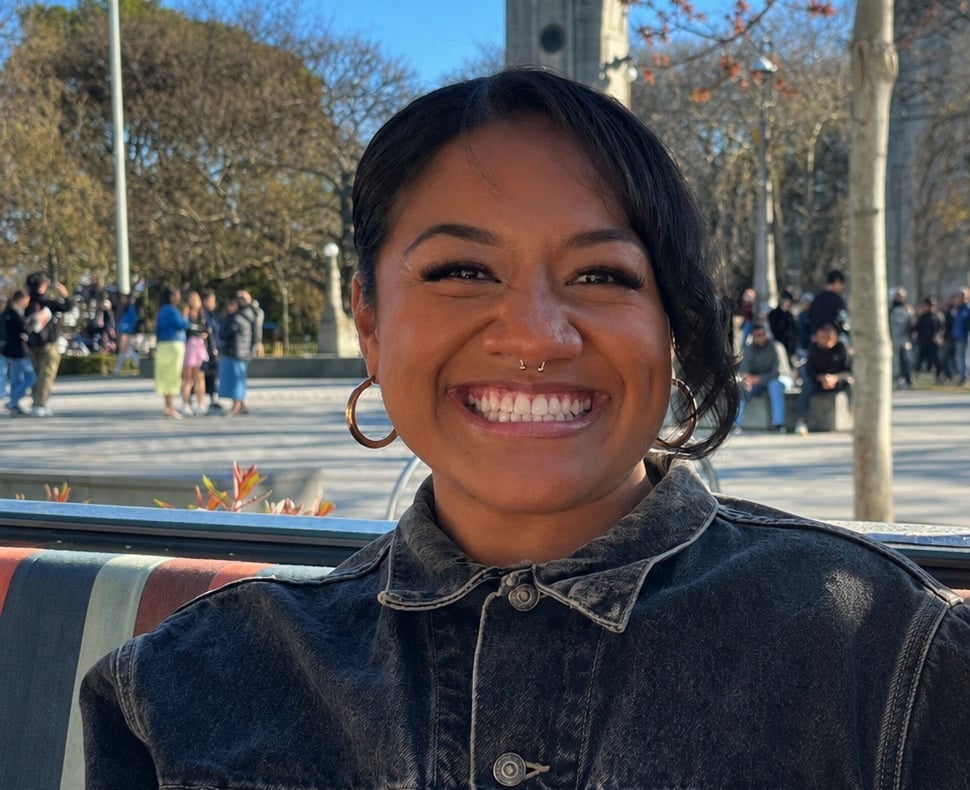
Talofa lava, my name is Meleane and I’m in my second year of Ara’s Osteopathy programme. I come from the villages of Vailima and Salelologa in Savai’i.
My family moved from Samoa to Auckland in when I was seven years old, before relocating to Christchurch in 2012. I’m the youngest of three children. During and after high school, I spent a lot of time helping in my family’s Pacific takeaway shop, which also catered weddings and funerals, so life was always very busy.
I played a lot of sport in high school and had plenty of ankle and knee injuries. At first, I thought I wanted to become a physiotherapist, but once I started learning about osteopathy, I knew it was the right path for me.
What appeals to me most about osteopathy is how holistic it is. The biopsychosocial model looks at all the factors that can contribute to a person’s main concern, including mental health, stress, study, and work-life balance. It recognises that a person is more than just a physical injury, and that aligns strongly with my Pacific worldview.
From a Samoan perspective, you do not separate one issue from everything else. Looking at the wider picture makes sense to me. I grew up seeing my aunties practise Fōfō, a traditional Samoan massage passed down through generations and often uses herbal remedies to support healing. There is also a spiritual dimension to healing in Samoan culture. I value the way these traditions connect with holistic healthcare, especially because there is a real gap in support for Pacific families. I want to help bridge that gap by making holistic and medical care easier to understand and access for Pacific communities.
For example, with conditions such as obesity and diabetes, which are common in our Pacific communities, many people are aware of them but don't always know how to prevent or manage them effectively. While GPs play a key role in treatment and management, osteopathy can offer another layer of support through a more holistic approach by helping improve mobility, recognising how these conditions present physically, and identifying other factors that may impact a person’s overall wellbeing.
When I first started my musculoskeletal course, I found the classroom work quite challenging because there was so much new terminology and content to learn. But I really enjoyed it, as I’ve always been interested in how the body works as whole system. The learning is engaging, although subjects like pathophysiology can be quite demanding because they focus on understanding the causes and processes behind different conditions. In clinical methods, we learn hands-on skills like provocative tests and assessment techniques. While clinical practice, teaches us how to ask the right questions to better understand our patients’ concerns.
Alongside studying, I work casually as a community support worker for Nurse Maude and pick up shifts at Dainty Cafe. picking up shifts when I can. In my support worker role, I help patients in their homes with medication, daily living tasks, and personal hygiene, with many of clients being elderly. The role has taught me a lot about providing care in culturally appropriate ways. With some older Samoan patients, topics such as urination and bowel habits can be sensitive, so I try use more respectful language rather than speaking about them directly. Respect and cultural understanding are important parts of the care I provide.
I wish there were more Pacific people in Osteopathy. Many Samoan families don’t realise how well osteopathy aligns with our culture, and I’ve only known one other Pacific student who has graduated from the course. There needs to be more of us studying and working in these spaces. I want to encourage others by showing that this pathway is important, achievable and needed within our communities.
Manuia tele le fa’amanatuina o le vaiaso o le Gagana Samoa.