New book gives health and social care practitioners the tools to talk about what matters most
27 July, 2026
Ara's Dr Dominic Chilvers has co-authored a book on spirituality in health and social care
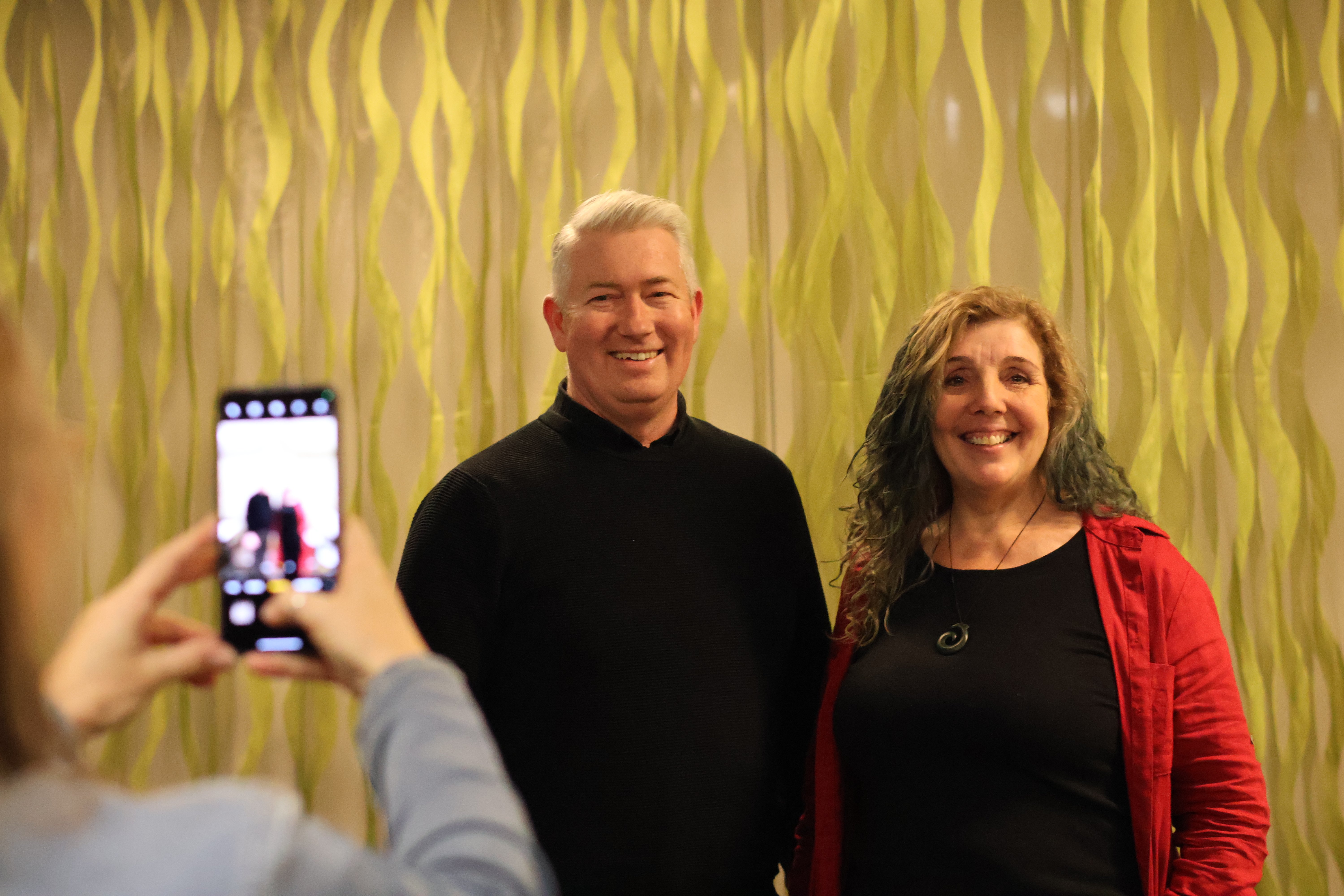
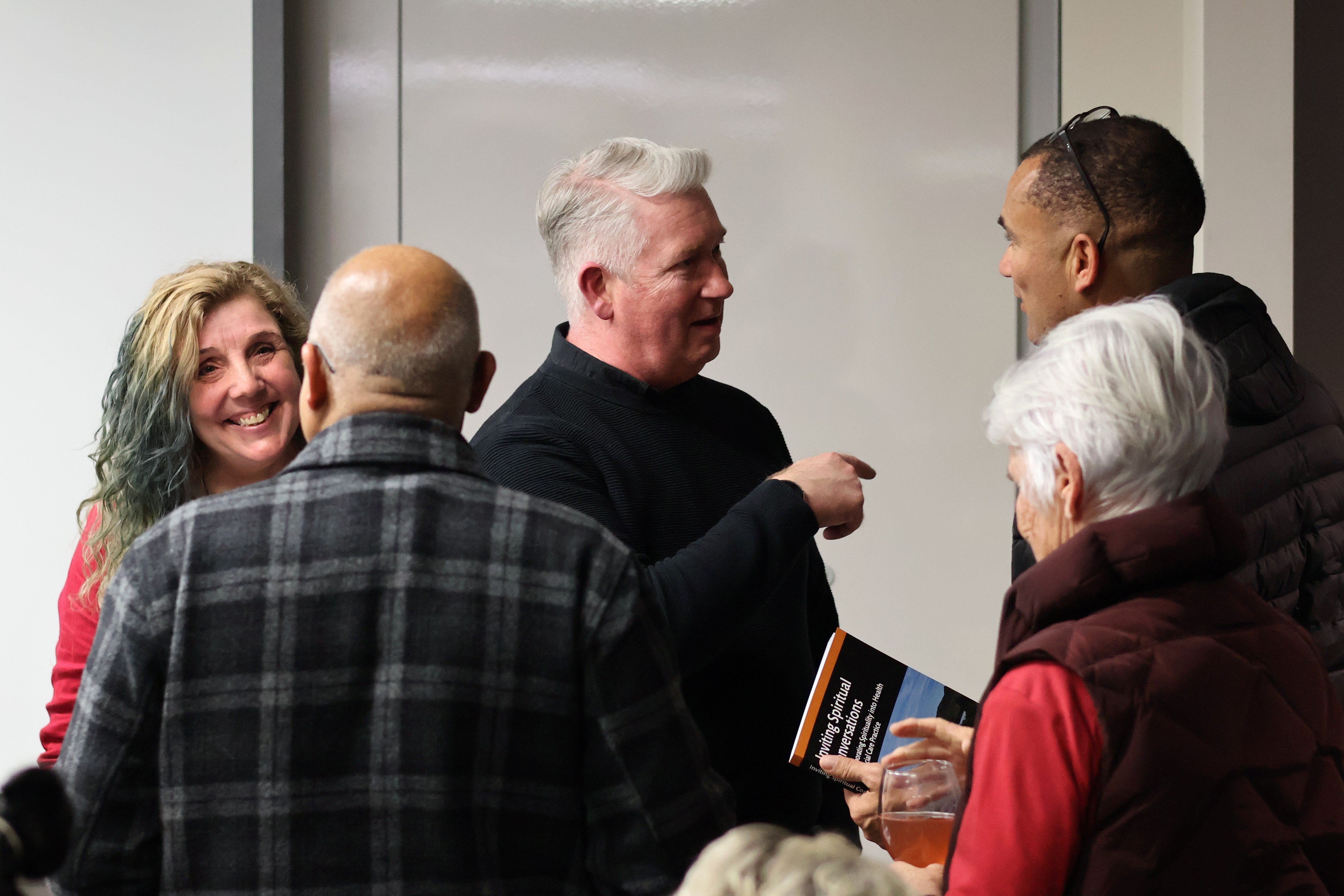
Dr Dominic Chilvers and Dr Nikki Kiyumba, co-authors of Inviting Spiritual Conversations: Incorporating Spirituality into Health and Social Care Practice
The spiritual lives of patients and clients are often the most important yet most neglected dimension of holistic care. A new book co-authored by Dr Dominic Chilvers, Programme Leader for Ara Institute of Canterbury's Bachelor of Social Work, is helping practitioners move beyond clinical checklists to foster genuine human connection.
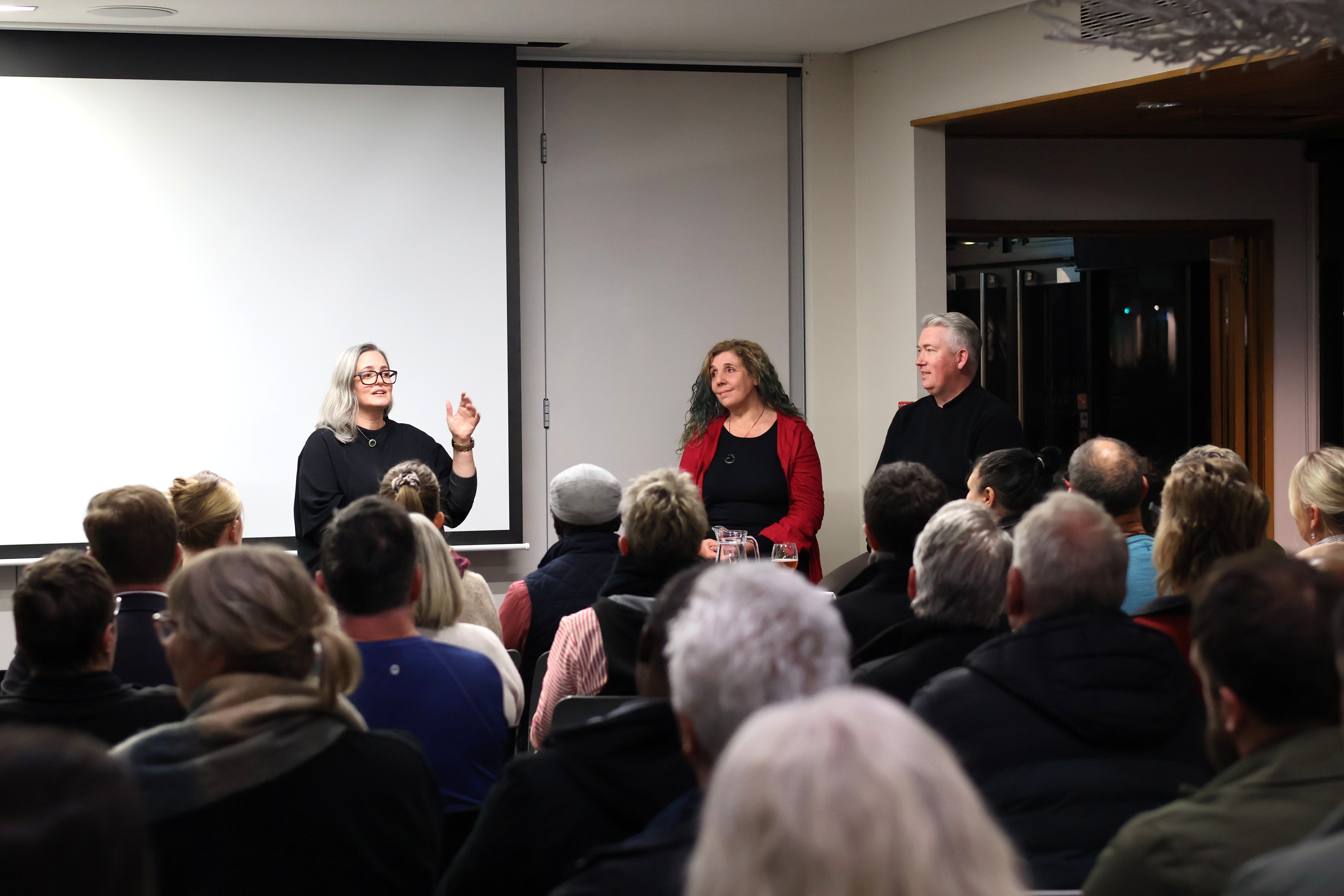
Following a launch at Visions on Ara's City campus, Inviting Spiritual Conversations: Incorporating Spirituality into Health and Social Care Practice is now available to the public. Published by Routledge, the book was co-written with Dr Nikki Kiyimba, a clinical psychologist specialising in psychological trauma.
The book offers health and social care professionals a framework for engaging with the spiritual lives of the people they support. It gives practitioners across social work, nursing, counselling, psychology and allied health the skills, confidence and ethical grounding to address one of the most important and most neglected dimensions of holistic care.
Research consistently shows that spirituality plays a vital role in health outcomes, resilience and recovery. Unfortunately, most professionals receive little or no formal training in how to raise the subject, and many report feeling anxious or concerned about overstepping professional boundaries.
"Practitioners tell me they know spirituality matters to their clients, but they don't know how to open the door," Dr Chilvers said. "This book is about giving them a way in, in a way that's respectful, inclusive and grounded in good practice."
The idea for the book grew out of years of ongoing conversation between the two authors, rather than a single starting point. Dr Chilvers spoke at the book’s launch about his own path to incorporating spirituality into his practice, and in turn, writing the book. Early in his career, he was told he couldn't be both Christian and a social worker, a view reinforced by his lecturers, and it took him years to reconcile the two. He still sees ākonga (students) grappling with the same tensions.
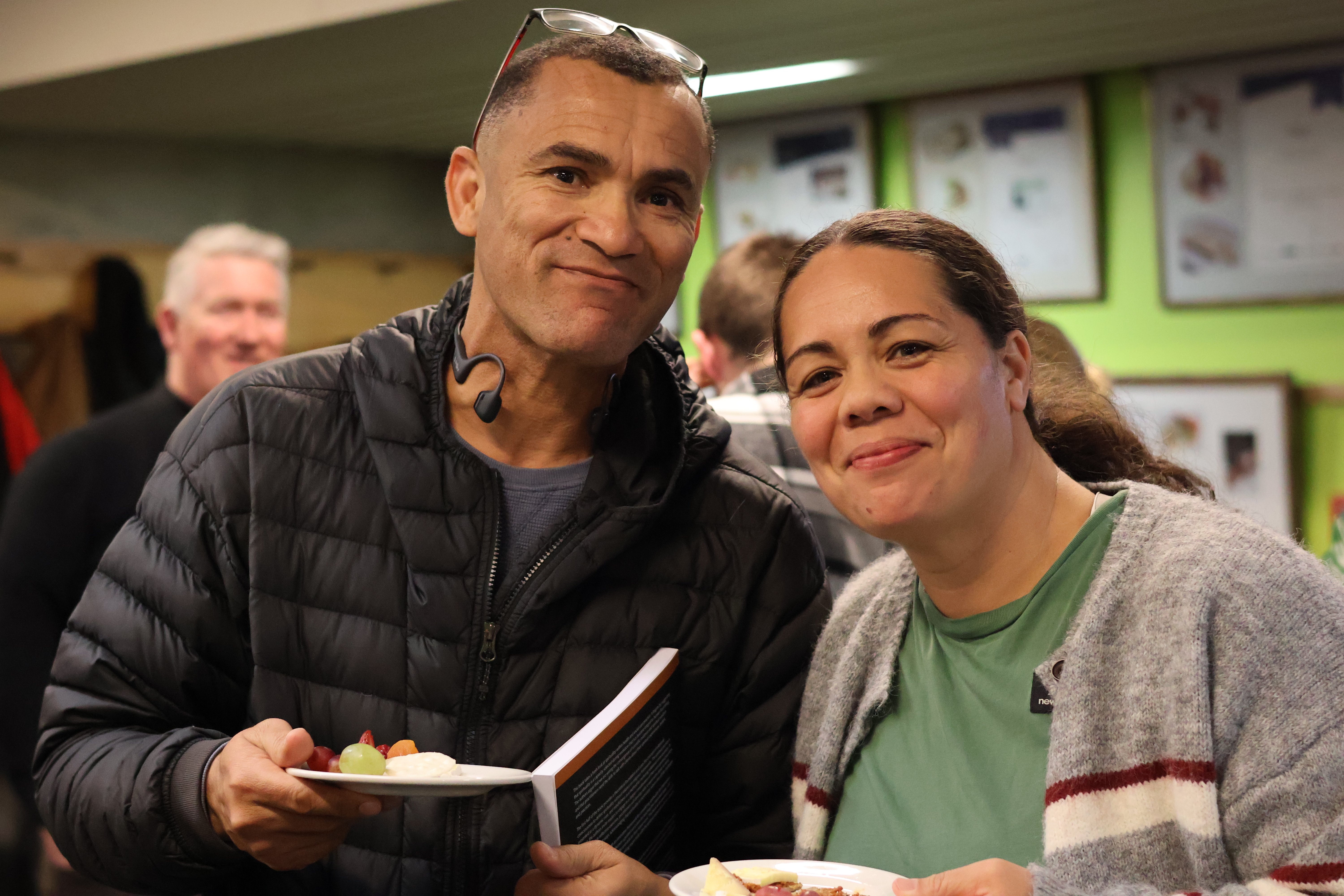
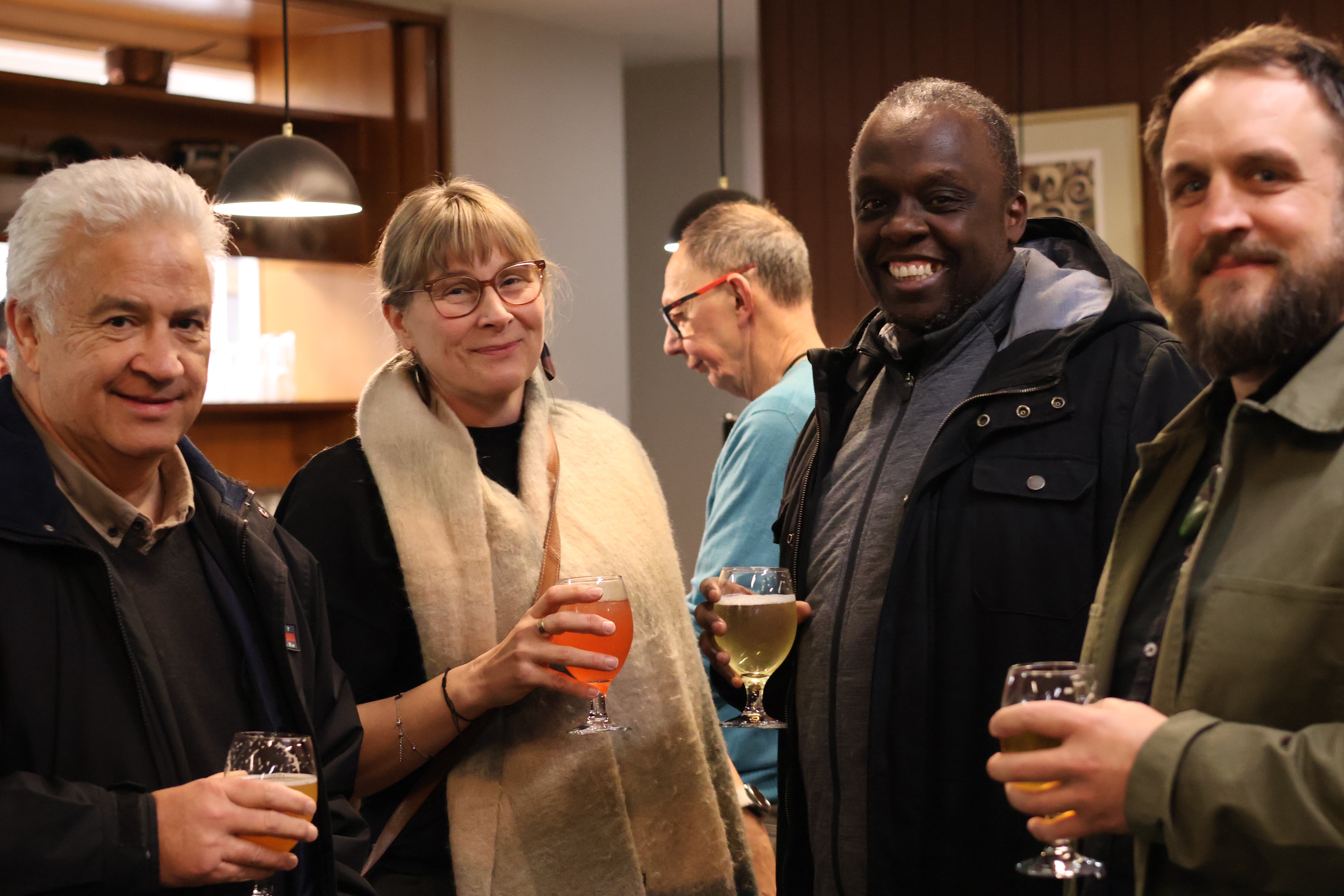
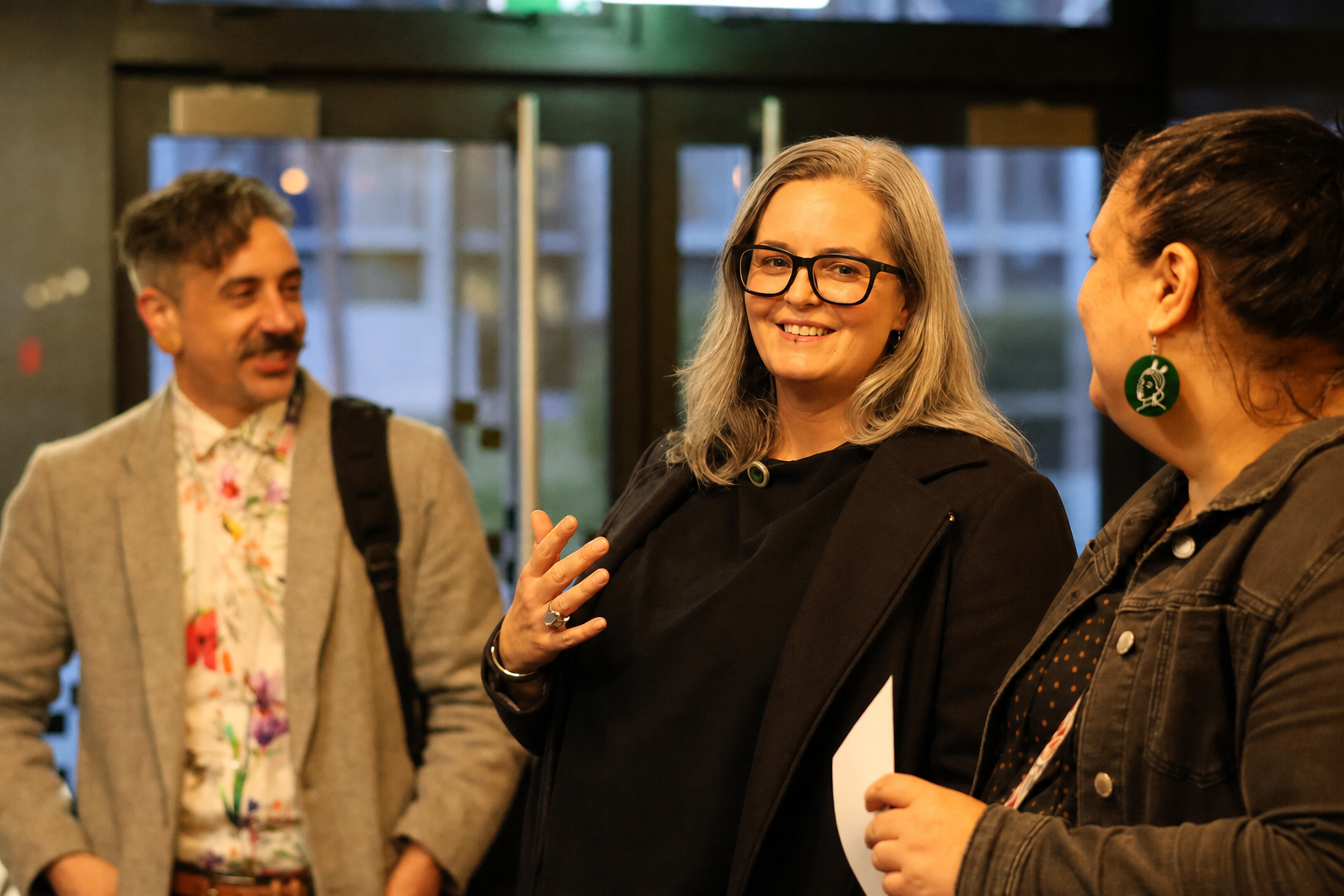
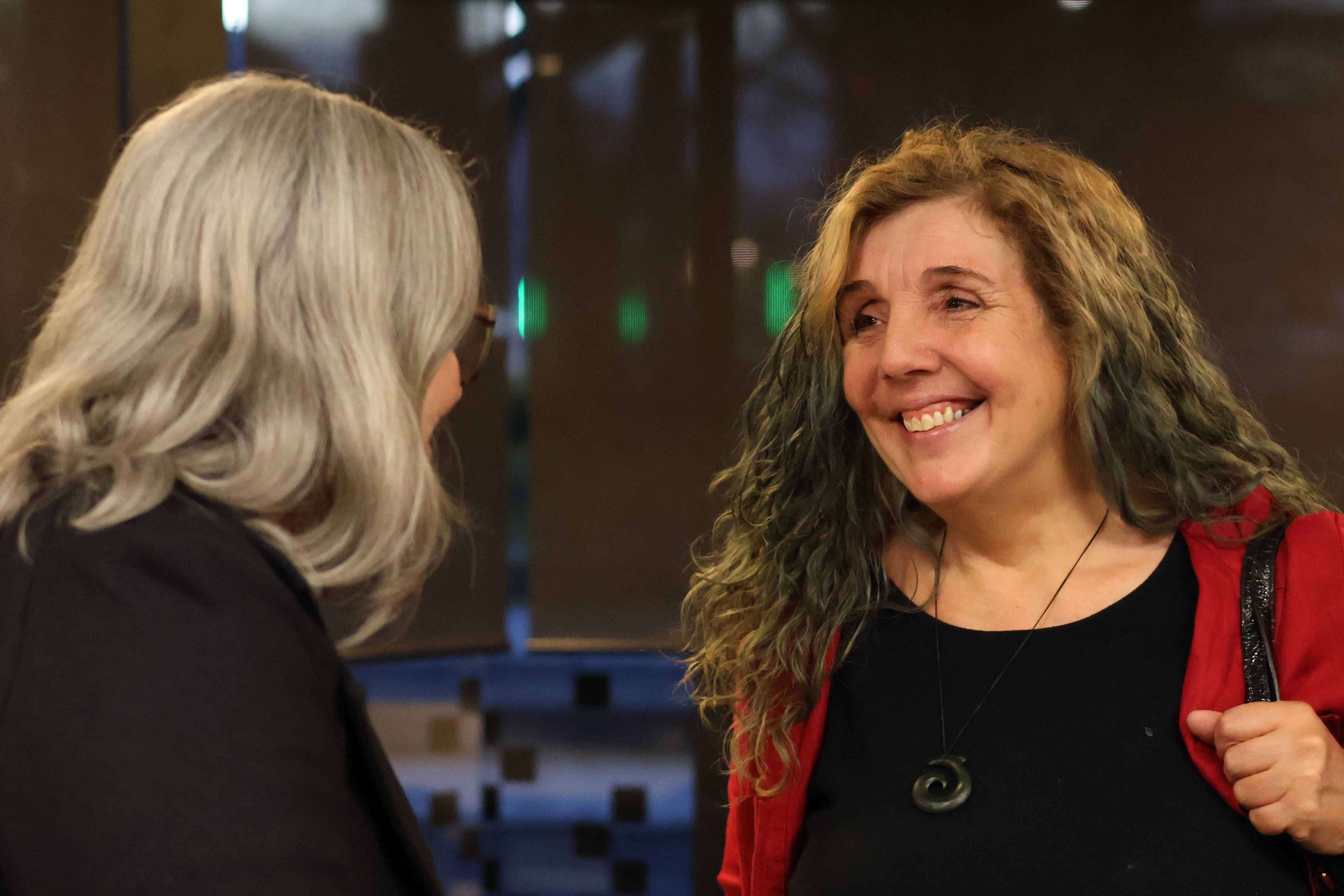
Guests at the book launch
The book introduces two original concepts, both designed to be intuitive and adaptable across a wide range of settings.
Relational consciousness is an inclusive understanding of spirituality defined not by religious belief but by the quality of a person's connections: with others, with themselves, with their environment and with the transcendent. It supports culturally safe practice across diverse populations.
The Spiritual River Model is a practical tool that supports practitioners to navigate conversations about spiritual development across different phases in life, using the shape of a river rather than a hierarchy or developmental ladder: turbulence, waterfalls and narrows standing in for the different textures of a spiritual journey. It provides a non-hierarchical model for identifying sustaining practices for the present season.
In Aotearoa, where hauora (holistic wellbeing encompassing taha wairua, or spiritual health) is central to health policy and Te Tiriti o Waitangi commitments, the book offers a timely and practical contribution to the ongoing conversation about what holistic care looks like.
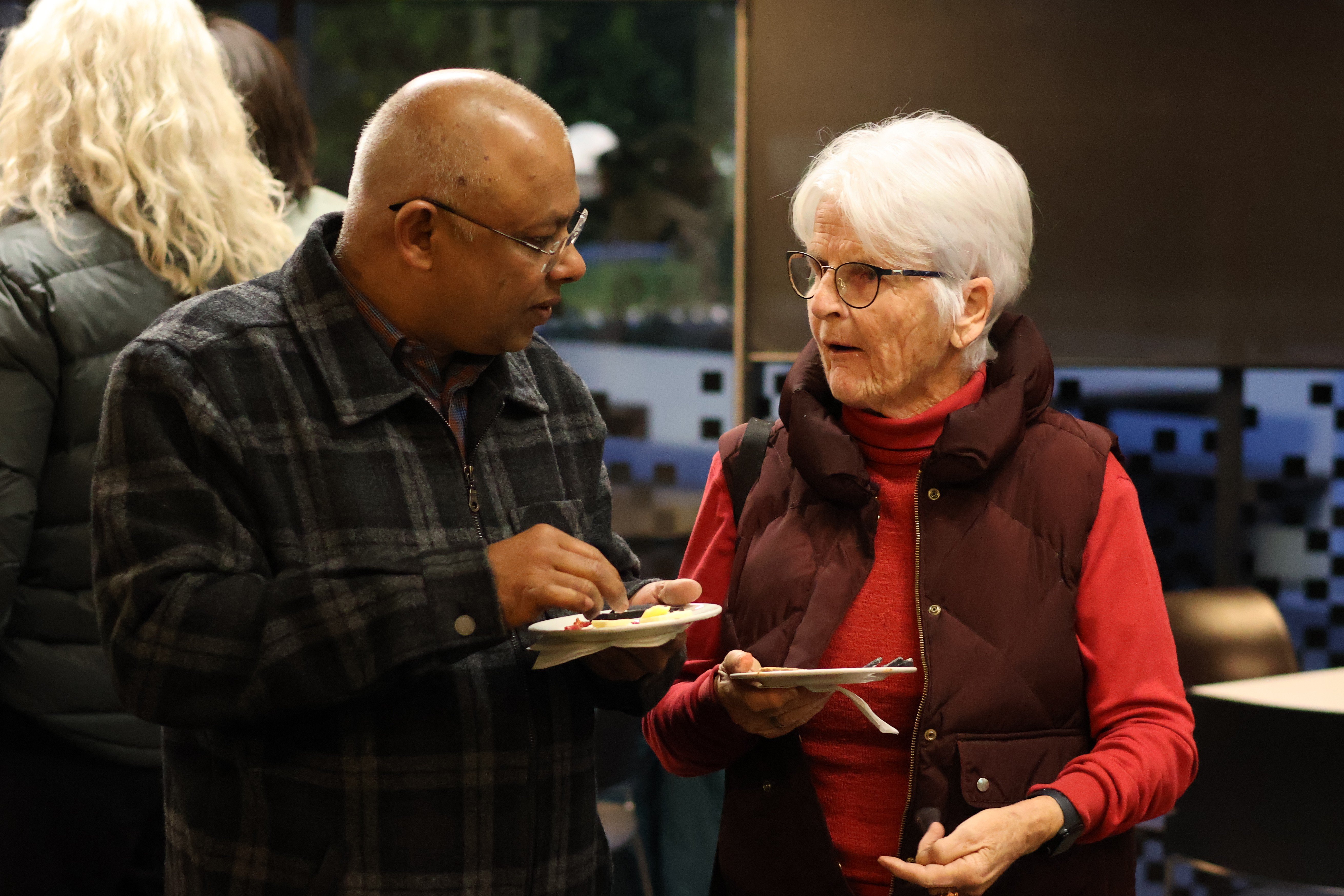
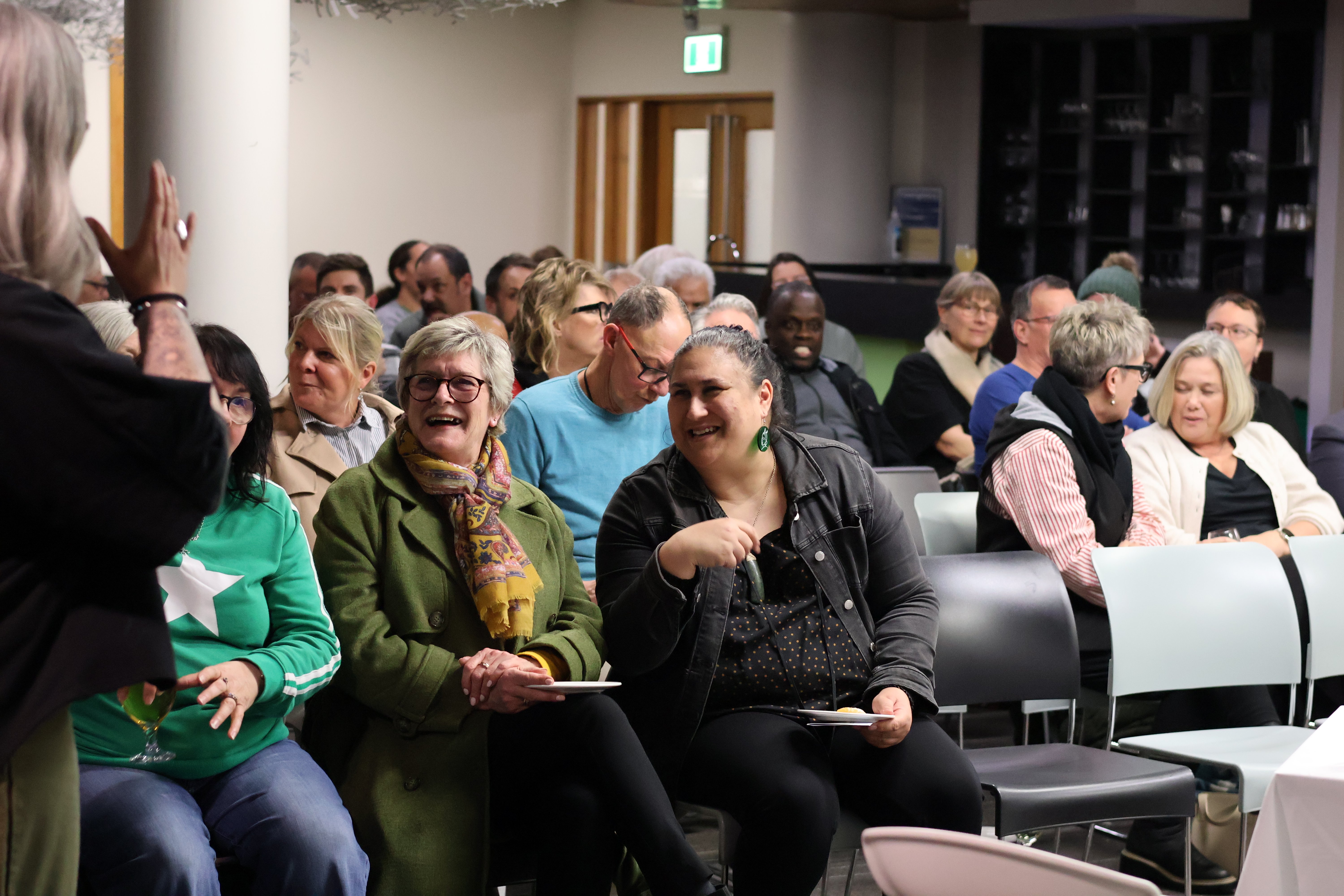
Guests at the book launch
Dr Kiyimba, speaking at the launch, said the book was written to meet a clear gap in the sector.
"There wasn't anything available about spirituality in bicultural [health and social care] practice. That felt like a gap we could fill, and Aotearoa felt like the right place to do it. These conversations are possible here in a way they mightn’t be elsewhere – we naturally see wairua as part of understanding a person,” she explained.
“We hope we’ve provided practitioners and lecturers with a starting point rather than an answer; we're keen to hear back on what's useful, what's missing, and what others would do differently," she added.
Inviting Spiritual Conversations is available now for purchase through Routledge and major booksellers. Ara staff and students can also access an online version through the Ara library.
Dr Chilvers' work on the book draws directly on his experience leading Ara's Bachelor of Social Work, a four-year programme grounded in bi-culturalism and anti-oppressive practice. Students move from the fundamentals of professionalism, research, and reflection in year one through to critical thinking and a practice framework by year four, with significant time spent in social work agencies in each year of the programme. Graduates finish with the professional values and attitudes to apply for provisional registration.
With a national shortage of social workers, Ara particularly encourages Māori, Pacific, migrant, refugee, male and disabled applicants to consider the degree.