MAINZ finds its rhythm at Ara
26 May, 2026
Enrolments double as audio production programmes enhance Ara's creative offerings
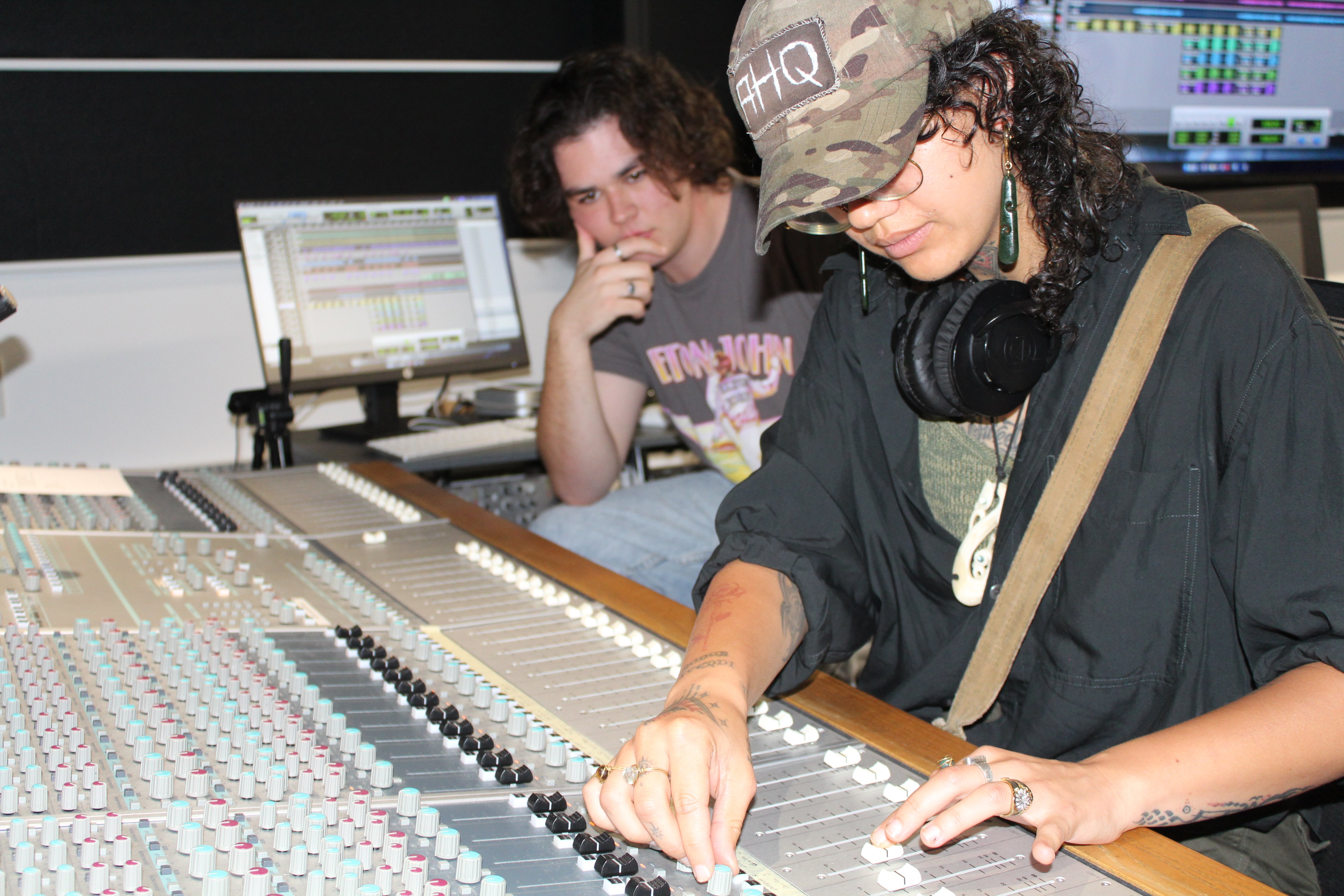
A fresh start at Ara Institute of Canterbury has seen the Music and Audio Institute of New Zealand (MAINZ) double enrolments across many of its music and audio courses.
The long‑standing provider of audio production programmes transitioned to new facilities and a new era at Ara at the start of the year.
For programme lead Ivan Shevchuk, a champion of MAINZ since 2003, the strong momentum matters - not just for MAINZ, but for the future of creative education in Canterbury.
“We’re a good fit in the Creative and Media portfolio at Ara, and our excellent facilities alongside the New Zealand Broadcasting School and Ara Music Arts show Ara’s commitment to that,” he says.
“This growth wouldn’t be happening without that investment, especially at a time when similar creative study options are disappearing in other parts of the country and overseas.”
Ara Portfolio Manager - Creative and Media, Peter Nock, says the decision to bring MAINZ into Ara reflects a strong commitment to creative education in Canterbury.
“It brings a raft of opportunities for ākonga across creative spaces to work together or extend their studies,” he said.
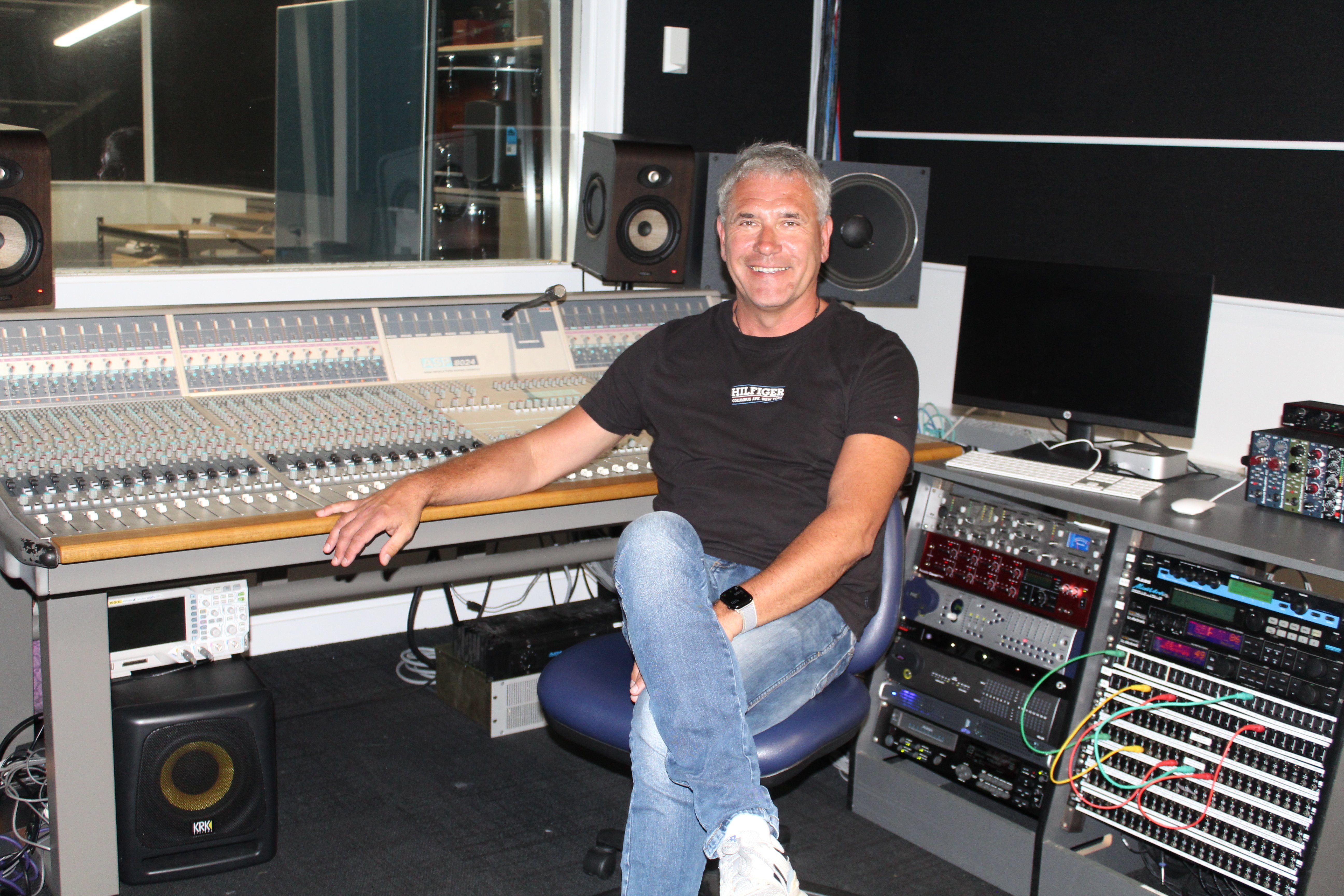
Left: Programme Lead Ivan Shevchuk has been associated with MAINZ since 2003
A return that makes sense
MAINZ's move to Ara is something of a homecoming. The programmes were first delivered in Christchurch in the early 2000s, before shifting through various providers as the tertiary landscape changed.
Shevchuk, who has carried the MAINZ legacy through many transitions, said the new fit feels right.
“Delivering as part of Ara gives us confidence in the future. The MAINZ brand still carries weight nationally and internationally - and now it has a strong, stable base again in Christchurch,” he said.
“Historically, polytechnics have always been a place where creative and technical learning sit side by side,” he adds. “That’s exactly what these programmes are. They’re highly technical, but also deeply creative. From that point of view, they sit naturally within Ara’s suite of offerings.”
The programmes span three levels, from the New Zealand Certificate in DJ and Music Production (Level 4) through to the New Zealand Diploma in Audio Engineering and Production at Levels 5 and 6. Together, they offer learners a pathway from creative entry into electronic music through to advanced audio engineering across music, film, live events, broadcast and emerging sonic arts.
Ākonga are drawn to MAINZ from a wide range of backgrounds. Around two thirds are recent school leavers, while others arrive after time in different careers, ready to take a chance on something more creative. Some come with semi-professional experience, looking to upskill and formalise their practice. The oldest to enrol was 65!
Graduate outcomes reflect that diversity. Alumni are working as DJs, producers, studio and live sound engineers, radio professionals, teachers, and in film and television sound, including on international productions. Many combine creative work with business startups or community-based projects, reflecting the reality of a sector where portfolio careers are the norm.
“There’s often a tunnel vision view that education should lead to one clear job outcome,” Shevchuk says. “Creative careers don’t work like that. Often our graduates are in the gig-economy - moving across industries, contracts and roles, and that’s exactly what our programmes are designed to support.”
New spaces, same DNA
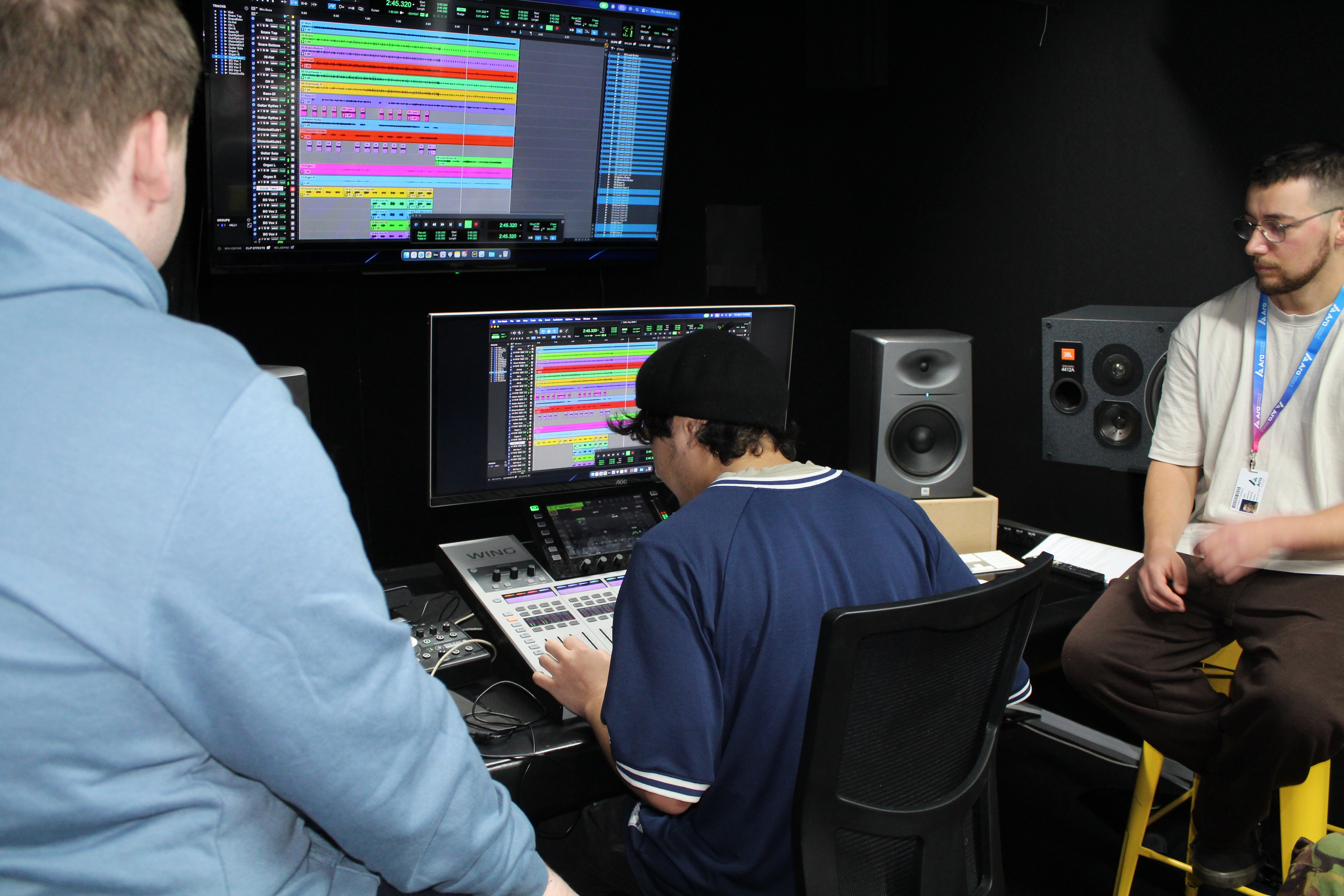
While the programmes have a new home, much of what makes MAINZ distinctive has been carried over to Ara. Teaching and practice spaces have been fitted out with the same industry-standard gear and studio layouts developed over decades of delivery.
“All the equipment came with us,” Shevchuk said. “That continuity means we’ve been able to set things up the way we know works best for teaching and learning. We’ve hit the ground running.”
However, he says Ara’s investment in high-spec facilities has created spaces that are “above and beyond” what was possible in previous premises.
The established teaching team brings strong industry credentials. Joshua Holmes covers electronic music production and audio engineering; Steve Marr, a MAINZ alumnus who went on to work at Neil Finn's Roundhead Studios, leads studio production; and Jason Long, who runs a hardware synthesiser company and works in sonic arts and robotics, adds a forward-looking dimension to the curriculum.
Rising enrolments, refreshed facilities and a renewed sense of purpose point to a positive future - not just for MAINZ, but for the wider creative community it serves.